Survey Sakhi Programme Completes Full Village Coverage in Saidbhar
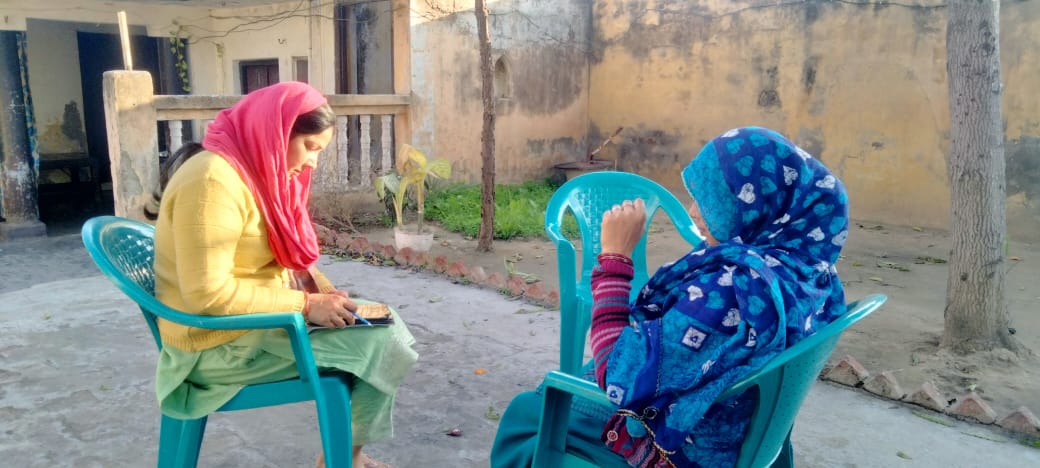
After months of patient, door-to-door conversations, Renu Rani has completed surveys across all 250 households in Saidbhar village. The findings reveal a striking paradox: infrastructure exists, but empowerment lags—and 250 women are ready to change that.
After months of patient, door-to-door conversations, DigiSam Foundation's Survey Sakhi project has reached a landmark milestone in Saidbhar village, Uttar Pradesh. Our dedicated volunteer, Renu Rani, has successfully completed comprehensive data collection from 250 households—achieving complete village coverage and expanding significantly from the initial 164 households surveyed.
This isn't just data collection. It's a window into the lives of rural women navigating an increasingly digital India—and what we've discovered challenges many assumptions about the digital divide.
The Journey's Completion
When we last checked in, Renu Rani had surveyed 164 households. Today, that number stands at 250—every household in Saidbhar has been heard. Each conversation, conducted entirely in Hindi, has been an exercise in trust-building, patience, and genuine listening. Renu hasn't just asked questions; she's sat with women in their homes, understood their daily struggles, and recorded their hopes with care and respect.
The expansion from 164 to 250 households represents a 52% increase in coverage, ensuring that no voice in Saidbhar goes unheard. This complete village mapping provides DigiSam Foundation with the evidence base needed to design truly responsive programs.
What the Data Reveals: A Paradox of Progress
The findings from Saidbhar tell a story more nuanced than we expected—one where infrastructure exists but empowerment lags, where awareness is high but access remains limited, and where willingness to learn far exceeds current opportunities.
The Infrastructure Is Already There
Saidbhar isn't a village waiting for connectivity. It's a village waiting for capability:
- 60% of women have internet-enabled phones
- 99.6% of households have electricity
- 96% have access to clean drinking water
- 97.2% can access cooking gas cylinders
The physical foundation for digital transformation exists. What's missing is something far more fundamental.
The Digital Ownership-Usage Gap
Here's where things get interesting. Despite 60% having internet access:
- 86.8% have never used UPI or digital payments
- 42.8% never search for information online
- 86.4% have never used navigation apps
- 87.2% have never accessed government service apps
Even more revealing: 53.2% use WhatsApp daily, but those same women aren't using digital payments, searching information, or accessing services online. The gap isn't technological—it's about skills, confidence, and permission.
The Permission Problem
When we dig deeper, structural barriers emerge. Among the women surveyed:
- 39.2% need permission before using their mobile phones
- 26.8% face active opposition from male family members who view technology as "distracting" or "harmful" for women
- Only 40.8% have full family support to use technology freely
This permission culture creates a fundamental barrier: women may own phones, but ownership doesn't equal agency.
AI: The Unknown Frontier
Perhaps the most striking finding: only 1.6% of women—just 4 out of 250—had even heard of Artificial Intelligence before this survey.
Yet when asked if they'd want training in AI, given that future jobs will increasingly involve it, 31.2% said yes. Think about that: 78 women expressing willingness to learn about something they've never heard of simply because it might provide opportunity. This isn't ignorance. It's openness. It's hunger for skills that can change economic trajectories.
Financial Independence: The Awareness-Access Gap
The financial literacy findings reveal another paradox:
- 74.8% have bank accounts in their own names—a significant achievement
- 93.6% are aware that government loan schemes for women exist
- Yet only 11.6% use UPI or digital payment apps
Why aren't women using the digital financial tools available to them? The top two reasons: 39.6% prefer cash (cultural habit) and 38% simply don't know how to use the apps. Notably, only 0.4% said they don't trust banks or apps. This isn't about distrust—it's about training.
Healthcare: Progress and Untapped Potential
Healthcare data tells a story of remarkable progress alongside missed opportunities:
- 96% of births now happen in hospitals
- 99.2% receive vaccination information from ASHA workers
- 98.4% are aware of Ayushman Bharat health insurance
But 98.4% have never used telemedicine—despite 51.2% travelling to private hospitals in nearby cities (expensive and time-consuming) and 60% already having internet-capable phones. The infrastructure for affordable, remote healthcare exists. The awareness doesn't. Additionally, 39.6% of women have been diagnosed with anemia or malnutrition—a critical health concern that demands targeted intervention.
The Civic Participation Desert
Perhaps the most startling finding: only 2 women out of 250—just 0.8%—have ever attended a panchayat meeting. Two women. In an entire village.
Yet when asked if they'd like to learn how to speak up in panchayat or community meetings, 36.8% said yes. That's 92 women who want to participate in local governance but currently don't. This is the hidden cost of women's exclusion from public spaces: villages make decisions without half their population in the room.
Education: Breaking Intergenerational Barriers
Education data reveals both current challenges and future hope. While 24.8% of surveyed women have no formal education and 42.4% feel their lack of education held them back, 99.6% of children now attend school regularly. This is intergenerational change in action—mothers ensuring their children don't face the same barriers they did.
22% of women said they'd want to study again if given the opportunity, even through online or part-time formats. That's 55 women ready to restart their educational journeys.
What This Means for DigiSam Foundation
The Survey Sakhi project has given us something invaluable: evidence. Not assumptions, not stereotypes—actual data about what Saidbhar's women know, what they want, and what stands in their way. The data points directly to where programs are needed:
- Digital Literacy Programs: 167 women (66.8%) are willing to attend village training. Practical skills—UPI payments, government app navigation, telemedicine access—can unlock the full potential of the infrastructure already in place.
- Family Engagement: With 39.2% needing permission and 26.8% facing opposition, digital literacy programs must include male family members to shift household dynamics around women's technology use.
- Civic Participation Workshops: 92 women want to learn to speak in panchayat meetings. Confidence-building and civic education can begin shifting the 0.8% participation rate upward.
- Telemedicine Awareness: With 60% internet access but 98.4% never using telemedicine, awareness campaigns could save families time, money, and improve health outcomes.
- Nutrition Interventions: With 39.6% diagnosed with anemia, partnering with ASHA workers for nutrition education is critical.
Importantly, 68.8% of women prefer group learning—aligning with cultural norms around collective activity and mutual support. Every program we design will be built around this strength.
Celebrating the Survey Sakhi
None of this data would exist without Renu Rani's extraordinary dedication. Month after month, she walked through Saidbhar, building relationships, asking thoughtful questions, and recording responses with care. She didn't just collect numbers—she listened to stories, earned trust, and made women feel heard.
In communities where trust is earned slowly and skepticism of outsiders is high, Renu's patient, respectful approach transformed data collection into relationship-building. Women opened up not just about their smartphone usage but about their fears, their ambitions, their frustrations, and their hopes for their children's futures.
This is what the Survey Sakhi model makes possible: research as empowerment, data collection as dialogue.
From Evidence to Action
Every woman in Saidbhar has now been surveyed. Every household has contributed its voice. The data reveals not a village waiting for handouts, but a village ready for empowerment—if programs meet women where they are, respect their constraints, and build on their strengths. The Survey Sakhi project proves something fundamental: when you ask women what they need, they tell you. And when you listen carefully, transformation becomes possible. This is just the beginning for Saidbhar.
Want to Make a Difference?
Stories like this are possible because of supporters like you. Join us in bridging the digital divide.
Related Stories
More stories you might find interesting
Survey Sakhi Milestone: 164 Households and Counting
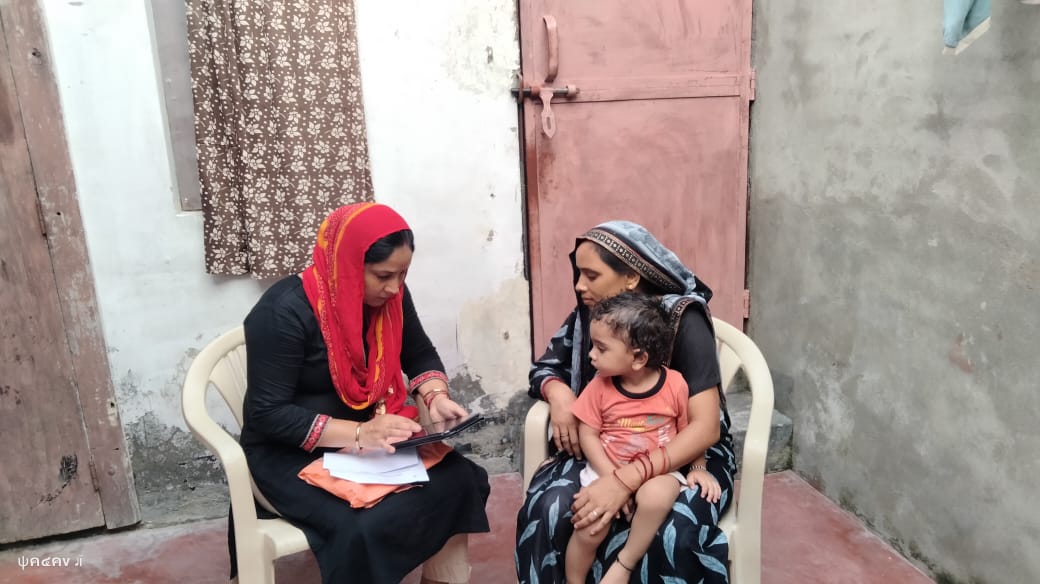
Our volunteer Renu Rani has reached a remarkable milestone in Saidbhar village, completing surveys across 164 households. Through patient, door-to-door conversations, she's building trust, gathering insights, and laying the groundwork for evidence-based digital literacy programs.
Read More →