90% Know, 85% Can't Access: Digital Government Services Gap
90% Know, 85% Can't Access: Digital Government Services Gap
Program: Survey Sakhi Project
Category: Community Building
Location: Saidbhar, Uttar Pradesh
Published: August 25, 2025
Potential Beneficiaries: 440
Summary
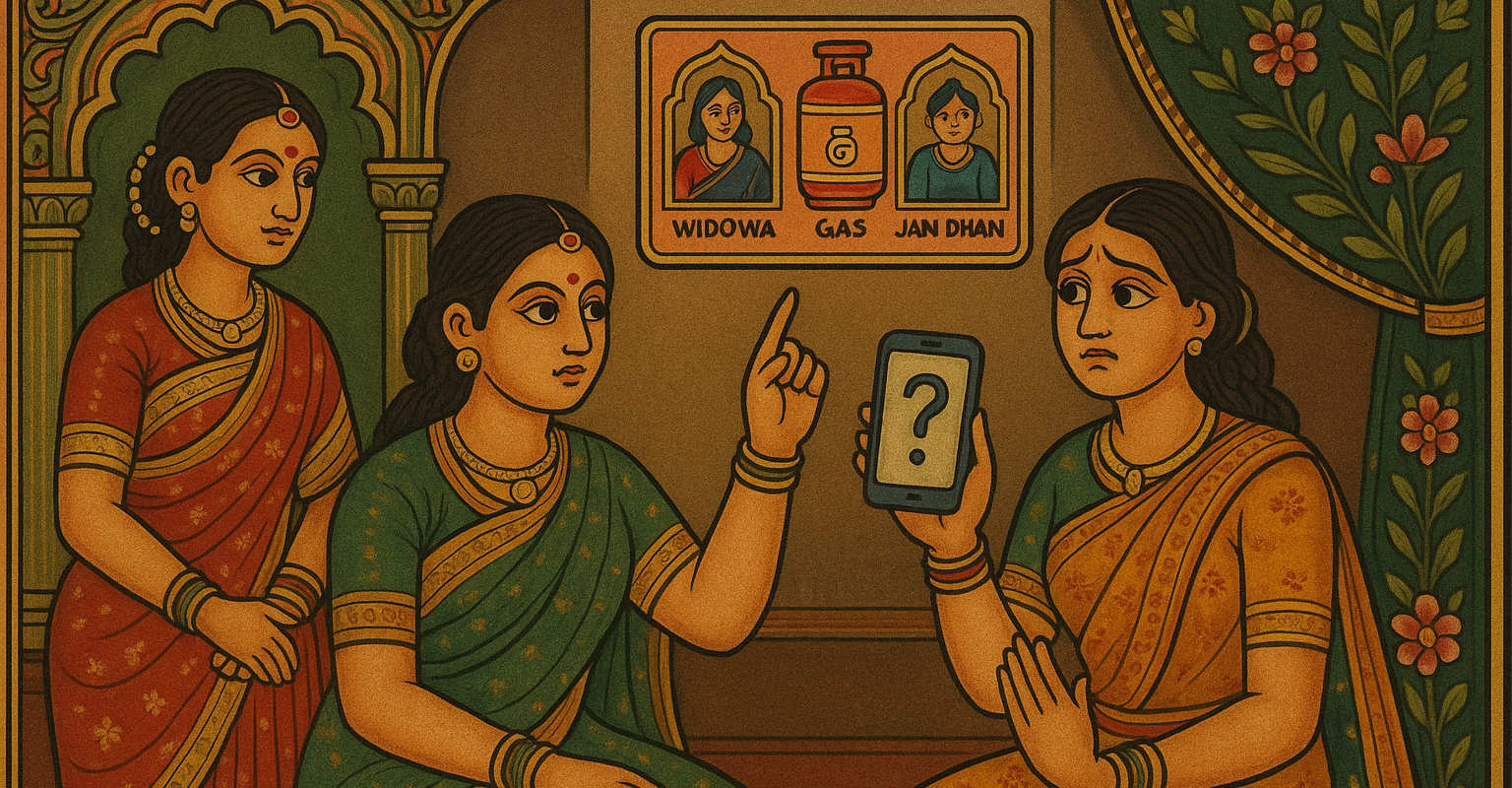
A striking paradox emerged from Saidbhar: 90% of women know about government schemes for women (widow pension, Ujjwala gas, Jan Dhan accounts), but 85% don't know how to access these schemes digitally. The information exists, but the bridge to action is missing.
Impact at a Glance
The Challenge
Government digitization efforts are failing to reach rural women. While scheme awareness is high (90% know about widow pension, Ujjwala, Jan Dhan, Ayushman), digital execution is nearly zero—85% can't view schemes on devices, 90% have never used government apps, and 85% have never attended village meetings. Last-mile service delivery remains broken.
Our Approach
Survey Sakhi documented this governance gap across households od Saidbhar, revealing that 35% of women want training in online scheme applications if offered locally. The community-based training model (90% participation willingness, 98% prefer group learning) could bridge the gap between scheme awareness and scheme access, empowering women to navigate digital governance independently.
Implementation
The Survey Sakhi team deployed trained female data collectors to conduct door-to-door surveys across Saidbhar village over a period of several months. Using structured questionnaires with sections on technology access, digital activities, financial inclusion, health, education, and governance, the team collected comprehensive data from women of the village. The survey process itself served as an awareness intervention, introducing women to concepts like digital government services and online scheme applications.
Results & Impact
The survey revealed critical insights: while 90% of women knew about key government schemes, 85% couldn't access them digitally, and 90% had never used government apps. Despite this gap, 35% expressed willingness to learn online scheme applications, and 90% would participate in local training programs. The data provided evidence-based direction for future digital literacy interventions, highlighting that the barrier to digital governance isn't awareness or interest, but rather lack of training and confidence in using digital tools.
"I hear about government schemes from ASHA workers and other women, but I don't know how to apply online. My husband has to take time off work to go to the government office. If I could do it myself on the phone, it would be much easier."
— Survey Respondent, Saidbhar Village, Saidbhar, Uttar Pradesh
Lessons Learned
Key lessons emerged from the survey process: First, awareness doesn't equal access—women know schemes exist but lack skills to navigate digital platforms. Second, community-based data collection builds trust and reveals hidden aspirations. Third, group learning preferences (98%) indicate that peer-based training models will be most effective. Fourth, 30% interest in civic participation training suggests an untapped desire for greater community engagement. Finally, male guardian support varies widely, requiring family-inclusive approaches to digital empowerment.
Looking Forward
Based on these findings, DigiSam Foundation plans to develop targeted digital literacy programs focusing on government service access. The initiative will pilot smartphone training sessions in Saidbhar's community center, teaching women how to navigate government portals, apply for schemes online, and use digital identity tools. We aim to train 30 women in the first cohort, leveraging the 98% group learning preference. Success will be measured by tracking actual online scheme applications and government app usage rates, with a goal of moving from 15% digital access capability to 60% within 12 months.
DigiSam Foundation
www.digisam.org
This case study is part of DigiSam Foundation's commitment to evidence-based digital literacy programs.
Impact at a Glance
A striking paradox emerged from Saidbhar: 90% of women know about government schemes for women (widow pension, Ujjwala gas, Jan Dhan accounts), but 85% don't know how to access these schemes digitally. The information exists, but the bridge to action is missing.
The Challenge
Government digitization efforts are failing to reach rural women. While scheme awareness is high (90% know about widow pension, Ujjwala, Jan Dhan, Ayushman), digital execution is nearly zero—85% can't view schemes on devices, 90% have never used government apps, and 85% have never attended village meetings. Last-mile service delivery remains broken.
Our Approach
Survey Sakhi documented this governance gap across households od Saidbhar, revealing that 35% of women want training in online scheme applications if offered locally. The community-based training model (90% participation willingness, 98% prefer group learning) could bridge the gap between scheme awareness and scheme access, empowering women to navigate digital governance independently.
Implementation
The Survey Sakhi team deployed trained female data collectors to conduct door-to-door surveys across Saidbhar village over a period of several months. Using structured questionnaires with sections on technology access, digital activities, financial inclusion, health, education, and governance, the team collected comprehensive data from women of the village. The survey process itself served as an awareness intervention, introducing women to concepts like digital government services and online scheme applications.
Results & Impact
The survey revealed critical insights: while 90% of women knew about key government schemes, 85% couldn't access them digitally, and 90% had never used government apps. Despite this gap, 35% expressed willingness to learn online scheme applications, and 90% would participate in local training programs. The data provided evidence-based direction for future digital literacy interventions, highlighting that the barrier to digital governance isn't awareness or interest, but rather lack of training and confidence in using digital tools.
I hear about government schemes from ASHA workers and other women, but I don't know how to apply online. My husband has to take time off work to go to the government office. If I could do it myself on the phone, it would be much easier.
Lessons Learned
Key lessons emerged from the survey process: First, awareness doesn't equal access—women know schemes exist but lack skills to navigate digital platforms. Second, community-based data collection builds trust and reveals hidden aspirations. Third, group learning preferences (98%) indicate that peer-based training models will be most effective. Fourth, 30% interest in civic participation training suggests an untapped desire for greater community engagement. Finally, male guardian support varies widely, requiring family-inclusive approaches to digital empowerment.
Looking Forward
Based on these findings, DigiSam Foundation plans to develop targeted digital literacy programs focusing on government service access. The initiative will pilot smartphone training sessions in Saidbhar's community center, teaching women how to navigate government portals, apply for schemes online, and use digital identity tools. We aim to train 30 women in the first cohort, leveraging the 98% group learning preference. Success will be measured by tracking actual online scheme applications and government app usage rates, with a goal of moving from 15% digital access capability to 60% within 12 months.
Be Part of Our Research Impact
Our case studies reveal critical gaps in digital literacy. Support our evidence-based programs to empower rural communities.
Related Case Studies
More research findings from our initiatives
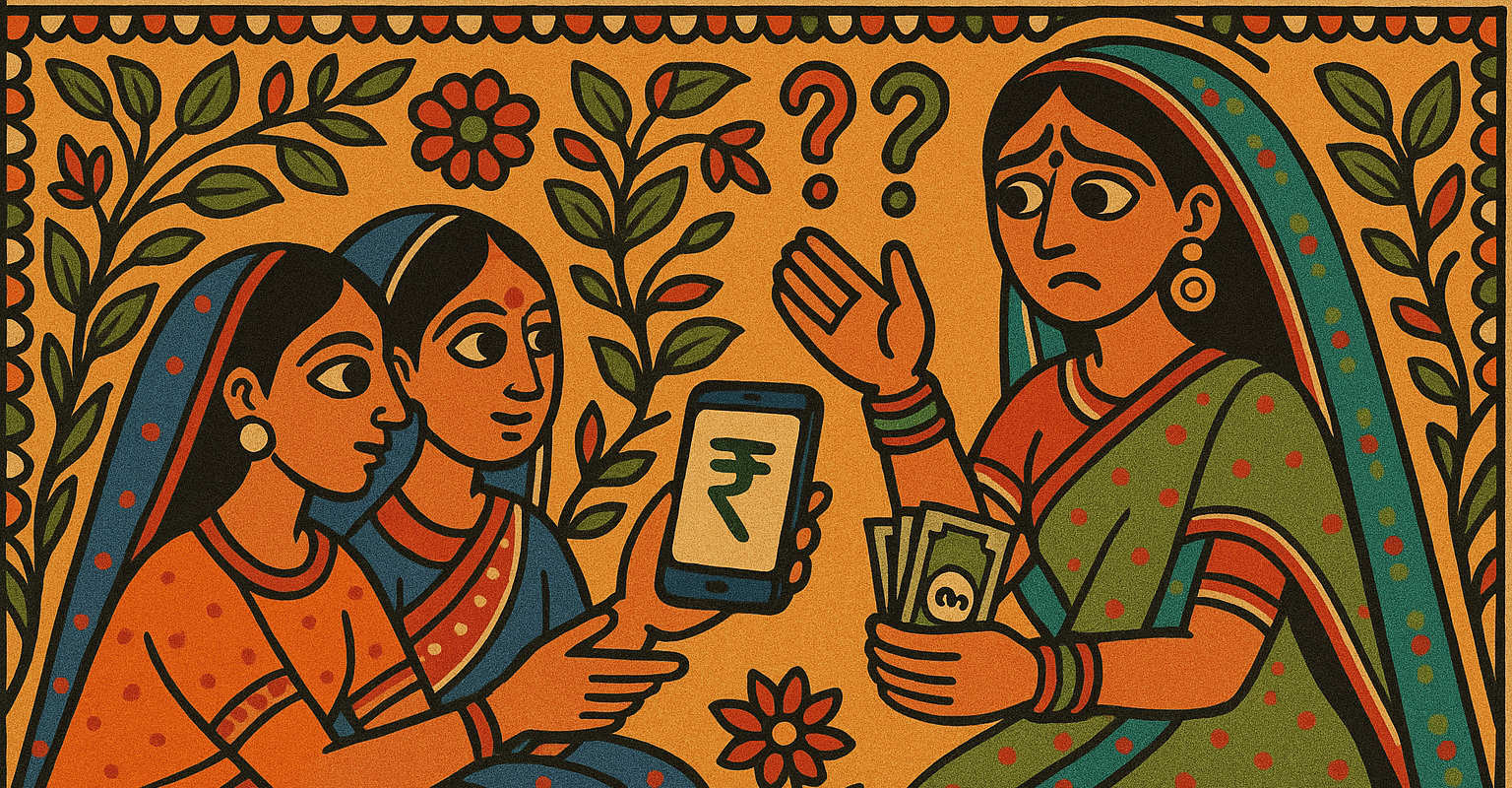
The 40% Knowledge Gap: Digital Payments in Saidbhar
Survey data from Saidbhar village reveals that 75% of women have never used digital payments—not due to lack of access, but lack of knowledge. 40% of non-users cite 'don't know how to use apps' as the primary barrier, highlighting a critical training opportunity.
Read Case Study →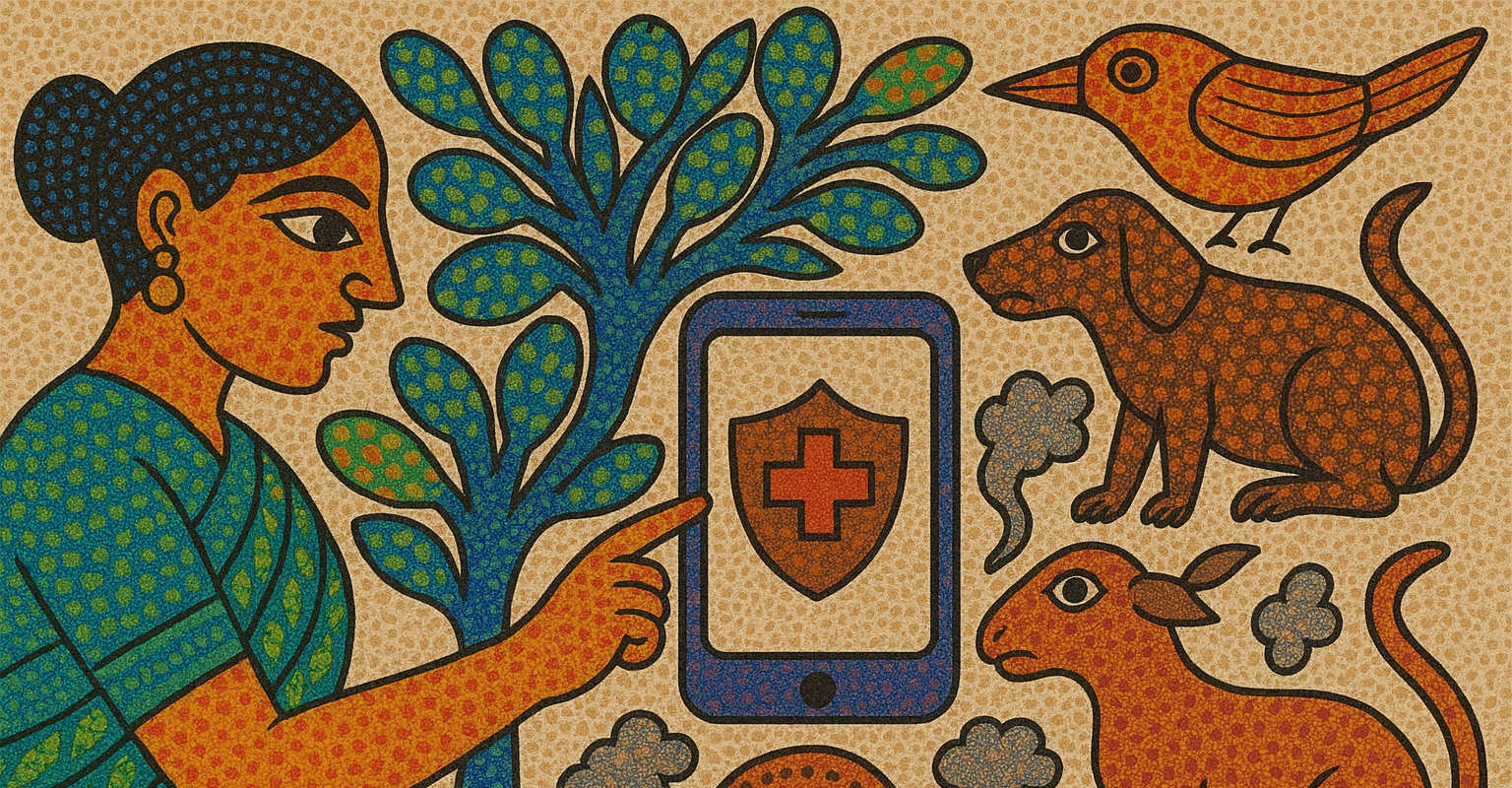
95% Untapped Potential: Telemedicine in Rural Saidbhar
Survey findings reveal a paradox: 100% of women in Saidbhar are aware of government health insurance schemes, yet 95% have never used telemedicine despite 95% experiencing recurring fever, diarrhea, and respiratory issues. Digital health could transform rural healthcare access.
Read Case Study →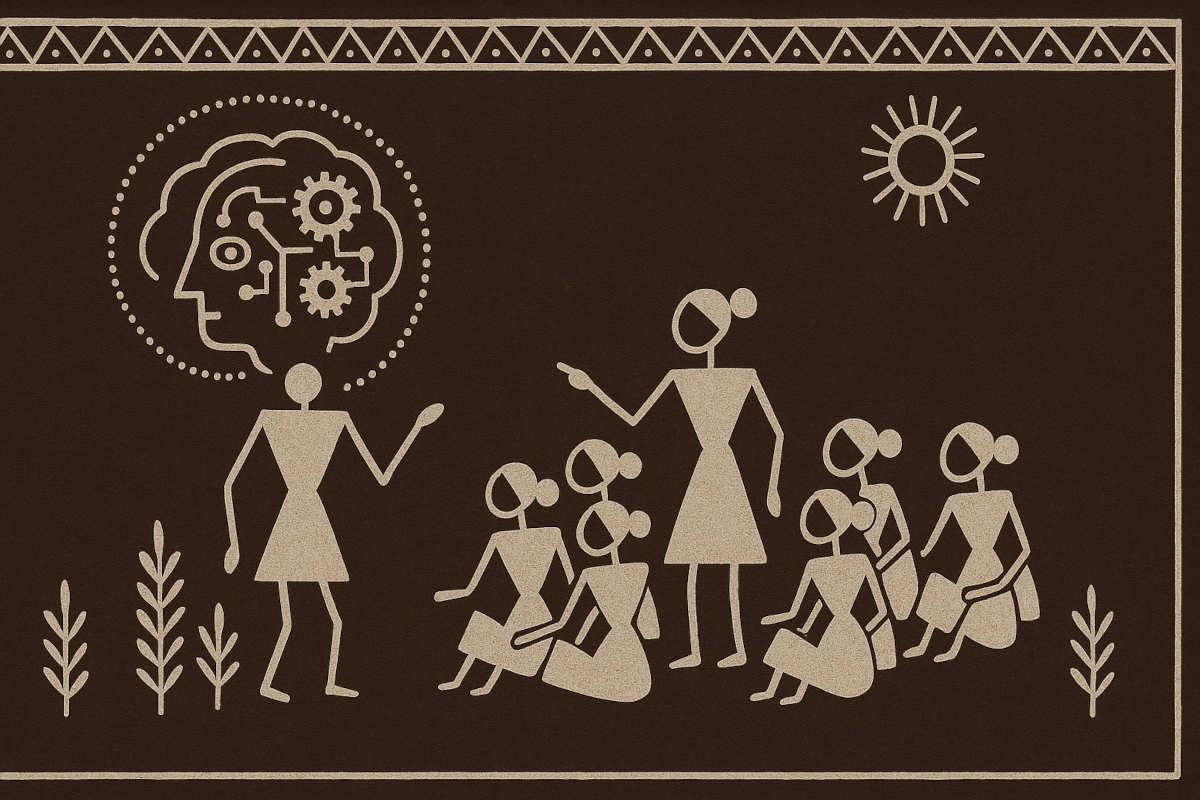
From 2% to 35%: Awakening AI Interest in Rural Women
Only 2% of women in Saidbhar had heard of Artificial Intelligence before the Survey Sakhi project. Yet when asked about training for future AI-related jobs, 35% expressed interest—revealing that awareness, not aspiration, is the barrier to women's participation in emerging tech fields.
Read Case Study →